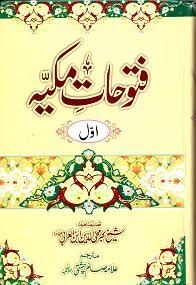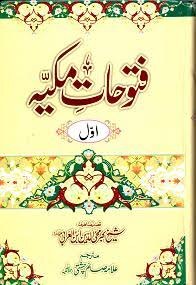
Futuhat ul Makkiyyah part 2 Urdu translation
by Sheikh Muhyiddin Ibn al-Arabi · 1240
Ibn al-Arabi (Shaykh al-Akbar)
Ibn al-Arabi (1165–1240), full name Abu Abdullah Muhammad ibn Ali ibn al-Arabi al-Hatimi al-Ta'i, was a monumental Andalusian Muslim scholar, mystic, poet, and philosopher universally revered within the Islamic tradition as Shaykh al-Akbar ("The Greatest Master"). Born in Murcia, Islamic Spain (al-Andalus), he spent his formative youth in Seville, receiving an elite education while experiencing deep spiritual visions that permanently steered him toward the Sufi path. A highly prolific polymath, he authored over 350 authenticated works, including his multi-volume encyclopedia of esoteric knowledge, Al-Futuhat al-Makkiyya ("The Meccan Revelations"), and his philosophical masterwork, Fusus al-Hikam ("The Bezels of Wisdom"). He is celebrated for providing the first comprehensive intellectual and metaphysical framework for Wahdat al-Wujud ("The Unity of Being") and the concept of Al-Insan al-Kamil ("The Perfect Man"). After decades of extensive travel across North Africa, Anatolia, and the Middle East, he settled in Damascus, Syria, where he spent his final years teaching until his death. His brilliant theosophical legacy remains the primary foundation of classical Sufi metaphysics.
ابنِ عربی (شیخِ اکبر)
ابنِ عربی (1165ء–1240ء)، جن کا پورا نام ابو عبداللہ محمد بن علی بن محمد ابنِ عربی الحاتمی الطائی تھا، اندلس (اسلامی اسپین) سے تعلق رکھنے والے ایک عظیم الشان مسلم اسکالر، صوفی باصفا، شاعر اور فلسفی تھے، جنہیں اسلامی تصوف کی تاریخ میں متفقہ طور پر "شیخِ اکبر" (سب سے بڑا استاد) کے لقب سے یاد کیا جاتا ہے۔ وہ اندلس کے شہر مرسیہ میں پیدا ہوئے اور انہوں نے اپنے قیامِ سیول (اشبیلیہ) کے دوران روایتی علوم کی اعلیٰ تعلیم حاصل کرنے کے ساتھ ساتھ، نوجوانی میں ہی گہرے روحانی و باطنی مشاہدات کا تجربہ کیا جس نے ان کا رخ مستقل طور پر تصوف کی طرف موڑ دیا۔ وہ ایک انتہائی کثیر التصانیف مصنف تھے اور انہوں نے 350 سے زائد مستند کتب تحریر کیں؛ جن میں باطنی علوم کا عظیم انسائیکلوپیڈیا "الفتوحات المکیہ" اور ان کا شہرہ آفاق فلسفیانہ شاہکار "فصوص الحکم" شامل ہیں۔ ابنِ عربی کو تصوف میں "وحدت الوجود" (وجود کی یکتائی) اور "انسانِ کامل" کے نظریات کو ایک باقاعدہ فکری، علمی اور فلسفیانہ نظام کے طور پر مدون کرنے کا سہرا حاصل ہے۔ شمالی افریقہ، اناطولیہ اور مشرقِ وسطیٰ کے طویل اسفار اور حجِ مکہ کے بعد انہوں نے دمشق (شام) میں مستقل سکونت اختیار کی جہاں وہ وفات تک درس و تدریس میں مشغول رہے؛ ان کا فکری سرمایہ آج بھی اسلامی مابعد الطبیعیات اور صوفیانہ فہم کا سب سے بڑا ستون مانا جاتا ہے۔
About Book:
Al-Futūḥāt al-Makkīyah (The Meccan Revelations) is the magnum opus of the great Andalusian Sufi master Muhyiddin Ibn Arabi (560–638 AH). Started in Mecca in 599 AH and finished in Damascus in 629 AH, this massive spiritual encyclopedia covers 560 chapters on Islamic esoteric sciences, philosophy, and mysticism.Book Contains sections divided into spiritual knowledge (ma'arif), behavior (mu'amalat), states (ahwal), abodes (manazil), encounters (munazalat), and stations (maqamat).
Ibn Arabi explores major concepts like Wahdat al-Wujud (The Unity of Existence) and Insan al-Kamil (The Complete Human Being).
Focuses on the journey of the soul, divine love (ishq), prophecy, and direct gnosis (ma'rifa) attained through heart purification.
This book is regarded as the primary reference for deep inner knowledge in Islam alongside traditional texts or the first sufi encyclopedia.
Ibn Arabi wrote two major versions, the second of which (the Konya manuscript) is preserved in Istanbul and spans dozens of volumes.
About Author: Muḥyiddin Ibn Arabi
Ibn 'Arabī[a] (July 1165 – November 1240) was a Sunni Muslim Arab scholar, Sufi mystic, poet, and Muslim philosopher from Al-Andalus (Spain), who exercised notable influence within Sufi metaphysics and Islamic thought in general. There are 850 works attributed to Ibn 'Arabi, though only 700 of these are considered authentic, and only 400 are extant. His cosmological teachings became a dominant intellectual framework in many regions of the Muslim world.His traditional title was Muḥyiddīn (Arabic: محيي الدين, lit. 'The Reviver of Religion'). After his death, practitioners of Sufism began referring to him by the honorific title Shaykh al-Akbar (Arabic: الشيخ الأكبر, lit. 'The Greatest Shaykh'), from which the term Akbarism is derived.
Ibn ʿArabī is considered a wali (saint) by some scholars and Muslim communities.
Ibn 'Arabī is known for being the first person to explicitly delineate the concept of wahdat al-wujūd (unity of existence), a monist doctrine that claimed that all things in the universe are manifestations of a singular reality. Ibn 'Arabī equated this reality with the entity he called "the Absolute" (al-wujūd al-muṭlaq, "the Absolute Existence").