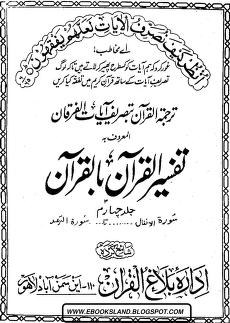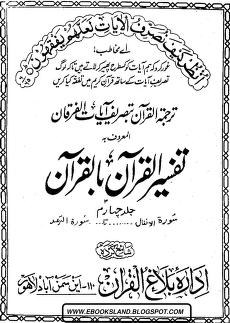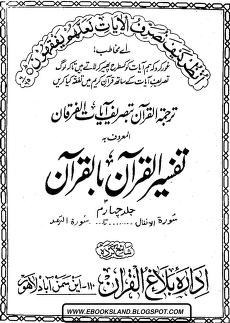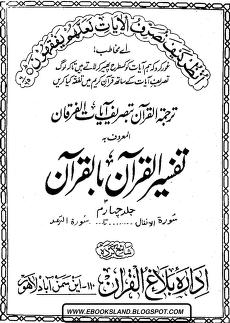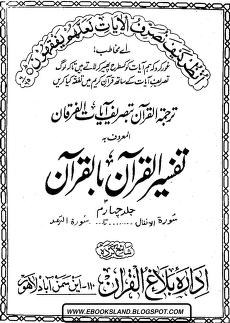
Balagh Ul Quran Tafseer e Quran Bil Quran Introduction
Book Info
| Author | Khawaja Abdullah Chakralvi |
| Publisher | Balagh ul Quran |
مولوی عبداللہ چکڑالوی (متوفی 1916ء)، جن کا اصل نام قاضی غلام نبی تھا اور وہ برطانوی ہند کے ضلع میانوالی کے گاؤں چکڑالہ میں پیدا ہوئے، بیسویں صدی کے اوائل کے ایک بانی اسلامی ماہرِ الہیات تھے جنہیں برصغیر میں منظم تحریکِ "اہلِ قرآن" (قرآن پسندی) کا اولین بانی تسلیم کیا جاتا ہے۔ ابتدا میں بریلوی اور اہلحدیث مکاتبِ فکر میں تعلیم حاصل کرنے کے بعد ان کے افکار میں ایک انقلابی تبدیلی آئی، اور انہوں نے روایتی بیانیے سے مکمل انحراف کرتے ہوئے اپنا اصل نام تبدیل کر کے صرف "عبداللہ" رکھ لیا تاکہ وہ خود کو خالصتاً اللہ کا بندہ ظاہر کر سکیں۔ لاہور کو اپنا علمی مرکز بناتے ہوئے انہوں نے 1903ء-1904ء کے دوران "اہل الذکر والقرآن" نامی جماعت کی بنیاد رکھی اور اپنے نظریات کی تشہیر کے لیے "اشاعت القرآن" کے نام سے ایک رسالہ جاری کیا۔ چکڑالوی کا پختہ موقف تھا کہ قرآن مجید ایک جامع، واضح اور مسلمانوں کی رہنمائی کے لیے مکمل طور پر خود کفیل الہامی ماخذ ہے، اور انہوں نے روایتی کتبِ حدیث، کلاسیکی فقہ اور تاریخی تفاسیر کو یکسر مسترد کر دیا۔ صرف قرآن پر مبنی فکری نظریات کے باعث انہوں نے روایتی نماز کے برعکس خالصتاً قرآنی الفاظ و نصوص پر مبنی ایک منفرد نماز کا طریقہ وضع کیا، جو رکعات، ارکان اور سجدوں کی ترتیب میں مروجہ نماز سے بالکل مختلف تھا۔ ان کی اس تحریک کو لاہور کے سریاں والا بازار میں ایک مخصوص مسجد کی صورت میں ادارہ جاتی مدد بھی حاصل ہوئی، جس نے ان کی وفات کے بعد جماعت میں انتشار کے باوجود برصغیر میں جدید قرآن پسند افکار کی فکری بنیاد فراہم کی۔
About Book:
Balagh-ul-Quran (Tafseer-e-Quran bil-Quran) is not merely a commentary—it is a disciplined conversation between the verses of the Holy Book. Authored by Khawaja Abdullah Chakralvi (d. c. 1930)—the pioneering founder of the Ahl al-Quran movement in the Indian subcontinent—this exegesis stands as a bold testament to the principle that the Quran is its own best interpreter.
Chakralvi rejected the reliance on Hadith and Sunnah as independent juristic sources, advocating instead for a literal, internal, and self-referential method of interpretation. Every verse is illuminated by drawing upon other relevant verses within the Quran itself, deliberately setting aside external historical accounts, reports, or traditional collections. This approach—tafsir al-Qur'an bi-l-Qur'an—offers a coherent, interconnected worldview where the divine text unfolds its own layers of meaning.
The work is systematically organized into four distinct volumes (Parts 1–4), each covering a selection of Surahs and thematic clusters. Rather than a linear verse-by-verse stroll, Chakralvi's arrangement invites readers into a web of cross-references, revealing the internal harmony and structural precision of the final revelation.
Core Principle: Quran explains Quran | Structure: 4 Parts | Approach: Literal, internal, self-contained
"بلاغ القرآن (تفسیر القرآن بالقرآن)" محض ایک تفسیر نہیں، بلکہ کلامِ الٰہی کی آیات کے مابین ایک مدبرانہ مکالمہ ہے۔ اس کے مصنف خواجہ عبد اللہ چکڑالوی (وفات: تقریباً ۱۹۳۰ء) — برصغیر میں اہلِ قرآن تحریک کے بانی و علمبردار — نے اس تفسیر کو اس اصول کا آئینہ دار بنایا کہ قرآن خود اپنی بہترین تشریح ہے۔
چکڑالوی نے حدیث و سنت کو بطورِ خودمختار ماخذِ فقہ مسترد کیا اور لفظی، اندرونی اور خود حوالہ جاتی روشِ تفسیر کو اپنایا۔ ہر آیت کو قرآن ہی کی دوسری متعلقہ آیات سے روشناس کرایا گیا ہے، جبکہ بیرونی تاریخی روایات، آثار یا مجموعۂ حدیث کو یکسر نظر انداز کیا گیا ہے۔ یہی طریقہ — تفسیر القرآن بالقرآن — ایک مربوط و ہم آہنگ عالمِ فکر پیش کرتا ہے، جہاں الٰہی متن اپنے معانی کی تہیں خود کھولتا ہے۔
یہ جلیل القدر کام چار مجلدات (حصہ اول تا چہارم) پر مشتمل ہے، جن میں سورتوں اور موضوعاتی گروہوں کو ترتیب وار پیش کیا گیا ہے۔ چکڑالوی کا اسلوب محض تسلسل وار تفسیر نہیں، بلکہ قاری کو آیات کے ایک جال میں داخل کرتا ہے — جہاں باہمی حوالہ جات آخری آسمانی کتاب کی اندرونی ہم آہنگی اور ساختاری گیرائی کو عیاں کرتے ہیں۔
بنیادی اصول: قرآن کی تفسیر قرآن سے | تعدادِ مجلدات: ۴ حصے | اسلوب: لفظی، اندرونی، خود مکتفی
About Author:
Khawaja Abdullah Chakralvi (born c. 1860 – died c. 1930) was a distinguished Islamic scholar, theologian, and reformist thinker from the Indian subcontinent. He is best remembered as the founding figure of the Ahl al-Quran (People of the Quran) movement, a school of thought that emerged in the late 19th and early 20th centuries as a counterweight to the growing authority of Hadith literature in mainstream Sunni jurisprudence.
Born in the village of Chakrala (in present-day Punjab, Pakistan), Chakralvi received his early education in traditional Islamic sciences, including Arabic, logic, and jurisprudence. However, as he delved deeper into the study of the Quran, he became increasingly convinced that the Muslim community had strayed from the pure message of the divine revelation by elevating humanly transmitted reports—Hadith—to a status nearly equal to the Word of God.
Chakralvi's seminal argument, articulated in his numerous writings and public debates, was that the Quran is complete, fully detailed, and entirely sufficient for guidance. He maintained that the Prophet Muhammad's sole function was to deliver and explain the Quran, but that this explanation was itself contained within the Quran's own verses through internal cross-references—not through external, fallible narrations passed down through generations.
His magnum opus, Balagh-ul-Quran, remains his most enduring contribution. In this work, he systematically applied his hermeneutical principle of tafsir al-Qur'an bi-l-Qur'an (interpreting the Quran by the Quran) across multiple volumes. He engaged with classical exegetical issues—theology, law, eschatology, and morality—but always anchored his conclusions exclusively in the textual fabric of the Quranic revelation.
Chakralvi was also a fierce polemicist who engaged in rigorous intellectual debates with Hadith-centric scholars of his time. His critics accused him of rejecting the Sunnah outright, while his followers regarded him as a liberator who freed Islamic thought from the shackles of uncritical traditionalism. Despite facing significant opposition from the religious establishment, his ideas found a receptive audience among those who sought a return to the Quran as the sole authoritative source of faith and practice.
He passed away around 1930, but his legacy continues through the Ahl al-Quran communities that thrive in Pakistan, India, and among diaspora Muslims worldwide. His works, especially Balagh-ul-Quran, are still studied, debated, and cherished by those who champion a Quran-centric vision of Islam.
Key Works: Balagh-ul-Quran (4 Vols.) | Major Contribution: Quran-only hermeneutics | Legacy: Founder of the Ahl al-Quran movement in South Asia
خواجہ عبد اللہ چکڑالوی (پیدائش: تقریباً ۱۸۶۰ء – وفات: تقریباً ۱۹۳۰ء) برصغیر کے ایک ممتاز عالمِ دین، متکلم، اور اصلاح پسند مفکر تھے۔ انہیں اہلِ قرآن تحریک کے بانی کے طور پر جانا جاتا ہے — یہ فکرِ رواں انیسویں اور بیسویں صدی کے اوائل میں اہلِ سنت فقہ میں حدیث کی بڑھتی ہوئی حیثیت کے مقابلے میں ابھری۔
چکڑالہ (موجودہ پنجاب، پاکستان) کے گاؤں میں پیدا ہوئے، چکڑالوی نے ابتدائی تعلیم روایتی علومِ اسلامیہ — عربی، منطق، اور فقہ — میں حاصل کی۔ مگر جب وہ قرآن کے مطالعے میں گہرے اترے تو انہیں یقین ہو گیا کہ امتِ مسلمہ نے بشری طور پر منتقل شدہ روایات (حدیث) کو کلامِ الٰہی کے قریب مقام دے کر اصل پیغامِ الٰہی سے بھٹک گئی ہے۔
چکڑالوی کا مرکزی استدلال، جو ان کی متعدد تصانیف اور عوامی مناظرات میں بیان ہوا، یہ تھا کہ قرآن مکمل، مفصل اور ہدایت کے لیے یکسر کافی ہے۔ ان کا موقف تھا کہ نبی کریم ﷺ کا واحد کام قرآن پہنچانا اور اس کی وضاحت کرنا تھا، مگر یہ وضاحت خود قرآن کی آیات کے اندرونی حوالہ جات میں موجود ہے — نہ کہ خارجی، خطا پذیر روایات میں جو نسلوں در نسلوں منتقل ہوئیں۔
ان کی شاہکار تصنیف بلاغ القرآن ان کا سب سے پائیدار کارنامہ ہے۔ اس میں انہوں نے تفسیر القرآن بالقرآن کے اصول کو کئی مجلدات پر منظم طریقے سے لاگو کیا۔ انہوں نے کلاسیکی تفسیری مسائل — عقائد، فقہ، آخرات، اور اخلاقیات — کو اٹھایا، مگر اپنے نتائج کو ہمیشہ صرف قرآن کی نصی ساخت میں لنگر انداز کیا۔
چکڑالوی ایک سخت گیر مناظر بھی تھے جنہوں نے اپنے دور کے محدثین کے ساتھ سخت علمی مباحثے کیے۔ ان کے ناقدین نے ان پر سنت کے مکمل انکار کا الزام لگایا، جبکہ ان کے پیروکار انہیں ایک رہائی دہندہ سمجھتے تھے جس نے اسلامی فکر کو بے تحاشا تقلید پسندی کی زنجیروں سے آزاد کیا۔ مذہبی اسٹیبلشمنٹ کی سخت مخالفت کے باوجود، ان کے افکار نے ان لوگوں میں پذیرائی پائی جو ایمان و عمل کے لیے واحد مستند ماخذ کے طور پر قرآن کی طرف لوٹنا چاہتے تھے۔
وہ تقریباً ۱۹۳۰ء میں وفات پا گئے، مگر ان کی میراث آج بھی پاکستان، ہندوستان اور دنیا بھر کی مہاجر مسلم کمیونٹیز میں موجود اہلِ قرآن جماعتوں کے ذریعے زندہ ہے۔ ان کی تصانیف، خاص طور پر بلاغ القرآن، آج بھی ان لوگوں میں مطالعہ، تنقید اور احترام کی نظر سے دیکھی جاتی ہیں جو اسلام کے قرآن مرکوز تصور کے حامی ہیں۔
اہم تصانیف: بلاغ القرآن (4 جلدیں) | بنیادی خدمت: قرآنیت پر مبنی اصولِ تفسیر | وراثت: برصغیر میں اہلِ قرآن تحریک کے بانی