
Tamana Imadi Imam Zuhri ImamTibri
Book Info
| Author | Allama Tamanna Imadi |
| Publisher | Al Rehman Publishing Trust |
About Author:
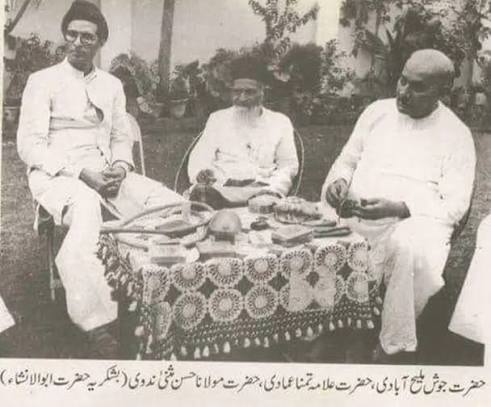
Allama Tamanna Imadi (born Syed Hayat-ul-Haq Muhammad Mohi-ud-Din; 1888–1972) was a highly distinguished yet intensely controversial South Asian Islamic theologian, researcher, linguist, and poet celebrated for his fiercely independent, rationalist approach to Quranic exegesis and historical criticism. Born in Phulwari Sharif, Patna, British India, he mastered traditional Islamic sciences, Arabic, and Persian under iconic scholars like Allama Shibli Nomani. Over his diverse career, he served in prominent judicial and religious advisory roles in the princely state of Hyderabad Deccan before migrating to Dhaka in 1948, where he delivered Quranic lectures on state radio, and later permanently settled in Karachi, Pakistan. Allama Imadi achieved widespread renown—and sparked severe academic theological debates—for his strict adherence to an isolationist, Quran-centric interpretive methodology. He frequently rejected mainstream historical narratives and classical Hadith consensus, evaluating traditional literature through a strict lens of rational scrutiny. He penned several groundbreaking and polemical treatises, including *Jama'ul Quran*, *Imam Tabri aur Imam Zuhri*, and *Intezar-e-Mahdi wa Maseeh*—the latter authored upon the direct personal request of Pakistan's spiritual father, Allama Muhammad Iqbal. Imadi famously argued against conventional narratives surrounding early Quranic codification and popular eschatological traditions. Beyond theology, he was a master of prosody (*Arooz*) and an accomplished poet, producing celebrated works like *Mathnawi Mazhab-o-Aqal* and *Izah-e-Sukhan*. Through his bold intellect and extensive bibliography, he left an enduring, revolutionary impact on alternative and reformist Islamic thought in the subcontinent.
About Book:
This provocative research work delivers an intensive historical critique focused on two of the most influential authorities in early Islamic literature: Imam Ibn Shihab al-Zuhri, a pioneer in early Hadith compilation, and Imam Muhammad ibn Jarir al-Tabari, the monumental historian and exegete.
Adhering to his characteristically sharp, rationalist methodology, author Allama Tamanna Imadi subjects mainstream narratives to rigorous historical scrutiny. Rather than accepting classical accounts at face value, Imadi evaluates the massive corpus of traditional literature, chains of narration, and historical reports tied to these two figures. He probes early historiographical records to question long-held assertions and traditional frameworks surrounding early Islamic history.
This volume serves as an essential text for researchers and students of Islamic reformist literature, offering an uncompromising, non-traditional look into the evolution of classical Hadith and historical documentation.
یہ تصنیف ابتدائی اسلامی تاریخ اور ادب کی دو سب سے زیادہ بااثر شخصیتوں پر ایک گہرا اور تنقیدی تحقیقی جائزہ پیش کرتی ہے: یعنی ابتدائی تدوینِ حدیث کے سرخیل امام ابن شہاب الزہری، اور اپنے دور کے عظیم ترین مورخ و مفسر امام محمد بن جریر الطبری۔
اپنے خاص علمی اور عقلیت پسندانہ اندازِ فکر پر قائم رہتے ہوئے، مصنف علامہ تمنا عمادی نے مروجہ روایات کو سخت تاریخی کسوٹی پر پرکھا ہے۔ کلاسیکی بیانیوں کو جوں کا توں تسلیم کرنے کے بجائے، عمادی نے ان دونوں ائمہ سے منسوب روایات، اسناد اور تاریخی لٹریچر کا باریک بینی سے تجزیہ کیا ہے۔ وہ ابتدائی مسلم تاریخ نگاری کے ریکارڈز کا احاطہ کرتے ہوئے صدیوں پرانے مروجہ خیالات اور روایتی فکری ڈھانچے پر سنجیدہ سوالات اٹھاتے ہیں۔
تاریخِ اسلام اور علمِ حدیث کے ارتقاء کا غیر روایتی مطالعہ کرنے والے محققین اور قارئین کے لیے یہ کتاب ایک منفرد اور فکر انگیز علمی اثاثہ ہے۔