
islamic modenist reformist thought through the study of sir sayyed ahmend muhammad iqbal
About Author:
Sir Syed Ahmed Khan (1817–1898) was a monumental 19th-century South Asian educator, politician, jurist, journalist, and social reformer who stands as the chief architect of modern Muslim nationalism and the historic Aligarh Movement in British India. Born in Delhi into an affluent family with close ties to the Mughal court, he initially pursued a distinguished career within the civil service of the British East India Company. The cataclysmic events of the 1857 Indian War of Independence served as a profound turning point in his life, convincing him that the survival and prosperity of South Asian Muslims depended entirely on reconciling with the British colonial administration and embracing modern Western education. Sir Syed pioneered a revolutionary, highly rationalist methodology in Islamic philosophy and Quranic exegesis (*Tafsir*), arguing that the word of God (revelation) could never contradict the work of God (nature). In 1875, he founded the Muhammadan Anglo-Oriental College in Aligarh, which later evolved into the prestigious Aligarh Muslim University, creating a premier intellectual hub that produced generations of prominent Muslim leaders. A prolific author and journalist, he established the influential social journal *Tahzib-ul-Akhlaq* to purge superstitious and outdated traditions from Muslim society. His landmark literary works include *Asar-us-Sanadid*, *Asbab-e-Baghawat-e-Hind* (The Causes of the Indian Revolt), and his analytical commentaries on the Bible and the Quran. By introducing the "Two-Nation Theory," he laid the definitive ideological foundation for the eventual political self-determination of Muslims in the subcontinent.
سر سید احمد خان (1817–1898ء) انیسویں صدی کے ایک عظیم جنوبی ایشیائی ماہرِ تعلیم، سیاست دان، قانون دان، صحافی اور سماجی مصلح تھے، جنہیں برصغیر پاک و ہند میں جدید مسلم قوم پرستی اور تاریخی تحریکِ علی گڑھ کا بانی و معمارِ اعظم تسلیم کیا جاتا ہے۔ وہ دہلی کے ایک ایسے متمول خاندان میں پیدا ہوئے جس کے مغلیہ دربار سے گہرے مراسم تھے، اور انہوں نے اپنے کیریئر کا آغاز برطانوی ایسٹ انڈیا کمپنی کی سول سروس سے کیا۔ 1857ء کی جنگِ آزادی کے تباہ کن واقعات ان کی زندگی میں ایک انقلابی موڑ ثابت ہوئے، جس کے بعد وہ اس نتیجے پر پہنچے کہ برصغیر کے مسلمانوں کی بقا اور ترقی کا دارومدار صرف اور صرف جدید مغربی علوم کو اپنانے اور تعلیمی میدان میں آگے بڑھنے پر ہے۔
سر سید نے اسلامی فلسفے اور تفسیرِ قرآن میں ایک بالکل نیا اور عقلی نقطہ نظر متعارف کروایا، جہاں ان کا استدلال تھا کہ اللہ کا کلام (وحی) اللہ کے کام (قانونِ فطرت) کے تضاد میں نہیں ہو سکتا۔ انہوں نے 1875ء میں علی گڑھ میں "ایم او اے کالج" (Muhammadan Anglo-Oriental College) کی بنیاد رکھی، جو بعد میں علی گڑھ مسلم یونیورسٹی کی شکل اختیار کر گیا اور جس نے مسلمانِ ہند کو نسل در نسل جید سیاسی و فکری قیادت فراہم کی۔ وہ ایک کثیر التصانیف مصنف اور ممتاز صحافی تھے، جنہوں نے مسلم معاشرے کو توہم پرستی اور فرسودہ رسومات سے پاک کرنے کے لیے مشہور مجلہ "تہذیب الاخلاق" جاری کیا۔ ان کی مایہ ناز کتب میں "آثار الصنادید"، "اسبابِ بغاوتِ ہند" اور بائبل و قرآن مجید کی تفسیری ابحاث شامل ہیں۔ انہوں نے ہی سب سے پہلے "دو قومی نظریہ" پیش کیا، جس نے آگے چل کر برصغیر کے مسلمانوں کی سیاسی خود مختاری کی بنیاد رکھی۔
Similar Books
Islamic Fiqh Aglatul Awaam
11.1 MB
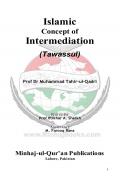
Islamic Concept of Intermediation
12.7 MB
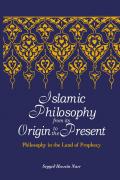
Islamic Philosophy from its Origin to the Present
1.4 MB

Islamic Reform 2008
1.1 MB
Baron.Rudolf.Von.Sebottendorff Secret Practices of the Sufi Freemasons The Islamic Teachings at the Heart of Alchemy
394 KB
Seyyed.Vali.Reza.Nasr Islamic leviathan Islam and the making of state power EN
900.5 KB